



How Recreational Sports Leagues Are Giving Men Over 60 a Whole New Social Life
The Locker Room Never Really Closed
Remember the feeling of showing up to practice as a kid, dropping your gear, and knowing that for the next couple of hours, nothing else in the world mattered? That feeling does not have an expiration date. Across the country right now, tens of thousands of men in their 60s and 70s are rediscovering exactly that sensation through recreational sports leagues, and the results are nothing short of remarkable.
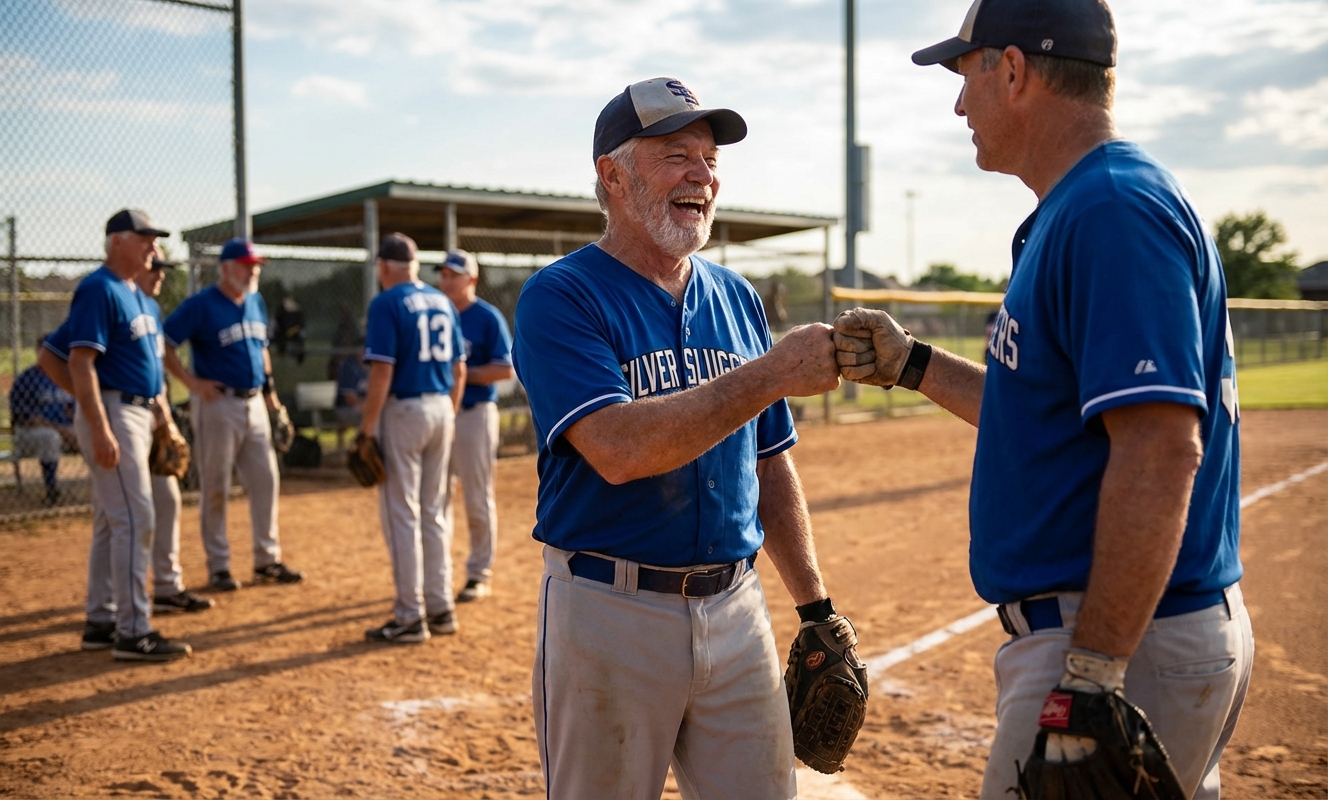
Whether it is a Sunday morning basketball league at the local YMCA, a senior softball circuit that draws crowds bigger than some high school games, or a bowling league that has been running since the Carter administration, organized recreational sport is having a genuine moment. And for American men who grew up watching the greats of the 1970s and 1980s, the pull toward team competition never really went away. It just got buried under mortgages and deadlines.
Why a League Changes Everything
There is a meaningful difference between going to the gym alone three times a week and suiting up for an actual team. The gym is discipline. The league belongs. Research published in recent years has consistently pointed to social connection as one of the most powerful drivers of longevity and mental health in older adults, and few things build connection faster than shared competition.
When you have a game on Thursday night, you have a reason to call a teammate on Tuesday to talk strategy. You have someone who genuinely cares whether you show up. You have an identity outside of your job title or your role as a grandfather. You are a player again, and that shift in self-perception carries real weight.
Men’s recreational leagues also have an unspoken code that most men over 60 recognize immediately. Nobody is there to prove anything to a scout. The trash talk is affectionate. The handshakes after the game are sincere. It is competition without the toxic edge, and that particular flavor of sport is deeply satisfying in a way that solitary exercise simply cannot replicate.
The Sports That Are Thriving Right Now
Softball remains one of the most popular recreational options for men in this age group, and for good reason. The game is deeply embedded in American culture; it does not require explosive speed, and a well-organized league can accommodate a wide range of fitness levels without sacrificing genuine competitiveness. If you grew up watching Reggie Jackson or Mike Schmidt, stepping into a batter’s box still carries a certain electric charge that does not fade with age.
Basketball leagues specifically designed for men over 55 have expanded dramatically in recent years, often featuring modified rules that reduce contact and emphasize team play over individual athleticism. The beautiful thing about basketball for this generation is that the fundamentals never leave you. The pick and roll, the backdoor cut, the chemistry of five men moving as one unit. Those instincts are wired in.
Bowling leagues deserve serious recognition here as well. They may not carry the same outdoor appeal as other sports, but the social architecture of a bowling league is nearly perfect. Regular schedule, consistent teammates, built-in downtime for conversation between frames, and enough competitive structure to keep things interesting. Men who have been in the same bowling league for 20 years will tell you those Thursday nights are among the most important rituals of their week.
How to Find Your League
The entry point has never been easier. Start with your local parks and recreation department, which in most American cities and towns maintains a directory of adult recreational leagues organized by sport, age group, and skill level. The YMCA and similar organizations run structured league programs year-round and actively recruit new players to fill rosters.
Online platforms like Meetup have also become surprisingly effective tools for finding recreational sports groups, particularly in larger metro areas. A simple search for men’s softball or senior basketball in your city will often surface several active options within a short drive.
If you played a sport in high school or college, do not assume the window has closed. Most recreational leagues actively want experienced players who understand the game and can contribute to team culture. Showing up with good fundamentals and a decent attitude is enough to get you on a roster.
The Bigger Picture
There is something genuinely moving about watching a group of 65-year-old men celebrate a walk-off single with the same energy they had at 17. It is not nostalgia exactly, or at least not only nostalgia. It is evidence that the competitive spirit, the love of sport, and the need for teammates are not things that age out of a man.
The locker room conversations are different now. They talk about their grandkids, their knees, and what the doctor said last Tuesday. But they also talk about the game, about who stepped up and who owes the team a pizza. They argue about strategy with complete seriousness. They show up.
If you have been sitting in the stands of your own life for a while, watching the action from a distance, a recreational league might be exactly the invitation you have been waiting for. The game is still going. There is a spot on the roster with your name on it.